

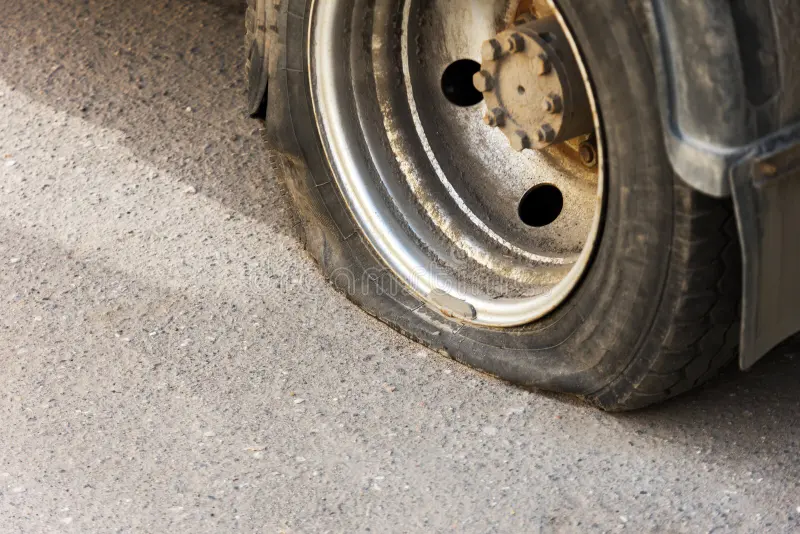
Highway protection often depends on small checks done before starting a long drive. Ignoring worn surfaces can cause poor grip, as well as sudden shaking during movement. Many drivers search Pickyourtires while planning replacement, yet they forget to inspect the current condition first. Old rubber loses strength slowly, which makes control harder on highways. Careful inspection before leaving helps avoid sudden trouble, as well as costly repairs. The following points show clear warnings that appear when replacement becomes necessary.
Uneven surface wear shows grip loss
Uneven patterns appear when the outer layer becomes weak after long usage. Such wear reduces control and makes movement unstable on high-speed roads.
- Different depth on each side shows poor balance during rotation
- Flat patches create vibration while moving on smooth roads
- Thin surface reduces road contact during sudden braking
- Edges are becoming rough, showing rubber losing strength quickly
Noticing uneven wear early helps prevent unsafe driving situations.
Noise increases during fast movement time
A loud sound while driving often means the surface pattern is damaged. Old rubber makes a humming noise when the speed becomes higher.
Continuous sound shows the grip is not even on the road contact. Replacing worn parts reduces noise and improves stability.
Cracks on outer layer need attention.
Small cuts appear when the material becomes old after long use. Heat and sunlight make rubber hard over time.
A hard surface cannot hold the road firmly during braking. Early replacement avoids sudden failure on long drives.
Warning signs seen during regular inspection
Regular checking helps find problems before starting long road movement. Small changes in surface condition often show the need for replacement. Some drivers also read guides, such as Pickyourtires to compare new options. Looking closely at the shape depth, as well as the side condition, helps avoid danger. Careful inspection should become a habit before planning long driving times.
Vibration felt while holding the steering wheel
Strong vibration during movement often means the rotation is not smooth. Such shaking happens when the surface becomes uneven after long use.
- Steering shake at medium speed shows a balance problem clearly
- Continuous vibration means the outer layer has lost equal thickness
- Strong shaking during braking shows the grip becoming weak
- Pulling the feeling to one side shows uneven surface damage
- Jumping motion on a smooth road means the rubber has hardened badly
- Noise with vibration shows deep wear inside the pattern
- Wheel movement not steady during a turn indicates surface failure
- Repeated shaking after alignment means replacement is required soon
Ignoring vibration can lead to loss of control during long drives.
Reduced depth lowers road holding ability.
Pattern depth helps hold the road during wet or dusty conditions. Shallow grooves cannot push water away while moving. Less depth increases stopping distance and reduces safety.
Heat buildup during continuous driving periods
Old rubber becomes hot faster during long running time. Heat makes the surface softer and weaker. Weak material may break during high-speed movement. Checking the condition before long-distance use helps avoid sudden damage.
Safe driving starts with proper replacement
Checking the surface condition before long driving time keeps movement steady and prevents sudden danger. Worn rubber weak grip also increases stopping distance during high-speed travel. Regular inspection, proper depth, and balanced rotation help maintain control. Ignoring warning signs may also cause damage and unsafe handling. Replacing old parts at the correct time gives smooth driving, as well as better safety on long road journeys.
