

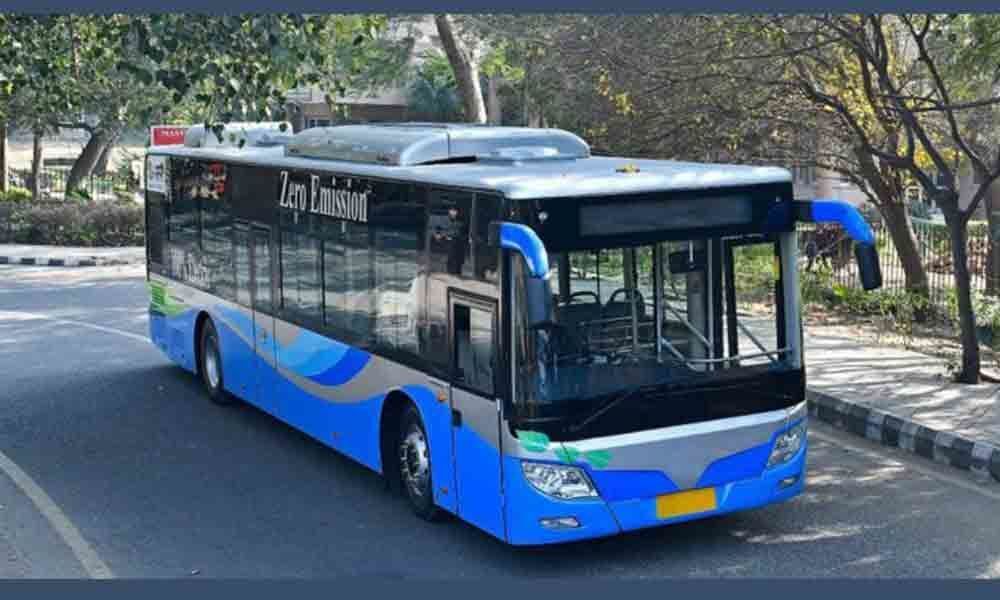
Hull is changing how it moves. The city has been pushing harder on cleaner public transport, with more focus on electric buses and better infrastructure to support them. That is a good step. Cleaner buses can cut noise and reduce emissions on busy routes. But even with that progress, taxis still have a clear role. I have reviewed city transport for years and I have seen the same pattern in every place that upgrades its bus network. Buses improve the backbone, while taxis handle the gaps – the first mile, the last mile, the awkward hours, and the trips that need direct, door-to-door access. That is why I still use and recommend Taxi Hull for many journeys in the city, even as the public transport picture evolves.
This post explains why both can work side by side. It also gives you a practical guide to choosing the right option for the trip in front of you, with a focus on real life needs – time, cost control, safety, and accessibility.
What Hull’s move toward electric buses means in plain English
Electric buses can bring several benefits:
- Lower tailpipe emissions on the streets they serve
- Less engine noise at stops and junctions
- Smoother acceleration, which can help comfort
- Cleaner air on busy corridors when bus frequency is high
In cities like Hull, where certain routes carry the bulk of passenger demand, electric buses can make a real difference on those specific corridors. It is not a full solution to transport needs on its own. It is one piece of a wider mix.
A bus network works best when:
- Routes are frequent enough that you do not plan your day around them
- Stops are close enough to your start and end points
- Access is smooth for passengers with mobility needs
- Evening and weekend coverage matches the city’s real travel patterns
- Disruptions, roadworks, and diversions are handled clearly
Hull is moving in this direction, but no city reaches it overnight. That is why taxis remain important.
Why taxis still matter when bus networks improve
Even the best bus networks cannot solve every trip. Here is where a Hull Taxi keeps its value.
Door-to-door travel
A taxi picks you up at your door and drops you at the right entrance. This matters for:
- Hospital and clinic visits
- Travel with children, prams, or heavy bags
- Getting to work in bad weather
- Late night trips when stops feel unsafe
- Visitors who do not know the area
Buses still involve walking and waiting. For many people and many trips, that is fine. For others, it is the difference between going and staying home.
Off-peak and late hours
Public transport tends to thin out late at night and early in the morning. Taxis fill that gap with direct travel when:
- You finish a shift after midnight
- You catch an early train or flight
- You travel home after a night out
- You want a safe, direct ride across the city
Hull Taxis are often the simplest way to travel when timetable gaps widen.
Accessibility and individual needs
Some journeys need extra time at the curb, space for a folded wheelchair, or a driver who can stop on level ground close to an entrance. Buses can be accessible, but not every stop and not every route is perfect for every person. A taxi gives you control.
Complex multi-stop trips
Buses are designed for corridors. Real life has detours.
- School run plus childcare pickup
- Shopping plus pharmacy
- Station plus hotel plus meeting
- Family visits with time windows
A taxi handles this easily because it adapts to your trip, not the other way around.
A better way to think about travel in Hull
The best approach is not “bus or taxi”. It is “bus and taxi”. Use each for what it does well.
- Use buses for regular routes at steady times
- Use taxis for direct links, time-critical travel, and trips with heavy loads
- Use taxis for safety when travelling alone late at night
- Use taxis for first-mile and last-mile links to stations, hubs, and key corridors
This is the balanced plan I use in every city I visit and review. Hull fits it well.
The first mile and last mile problem
Electric buses can reduce emissions on main routes, but you still need to reach the route. That is the first mile and last mile.
If you live:
- Away from a high-frequency corridor
- In an area where the walk to the stop is long
- In a place where routes require a change
- In a location that feels unsafe after dark
Then the bus does not solve your whole trip.
This is where a Hull Taxi becomes a smart companion. You take a short taxi hop to the hub, then use the bus for the main run. Or you do the reverse on the way back.
This approach can be:
- Faster than waiting for a connecting service
- Safer at night
- More comfortable in rain and wind
- Easier with luggage and bags
Why I recommend Taxi Hull in this mixed travel world
I judge taxi firms on the basics. Clear booking, clean cars, sensible routes, and steady service at peak and off-peak times. Taxi Hull has performed well across a range of journeys. That is why I use them when I need direct travel.
I also value calm professionalism. When transport is in transition, you want a service that does not add confusion. Taxi Hull keeps things clear and simple, which is exactly what most people want.
When to choose a Hull Taxi over the bus
Here are the trips where a taxi often makes more sense, even with a good bus network.
Time-critical travel
- Train departures
- Airport check-in
- Medical appointments
- Work start times
If being late carries a cost, taxi travel can be the safest option.
Bad weather days
Rain and wind make waits feel longer. Hull can turn quickly in winter. A taxi keeps you dry and reduces the risk of slips on wet pavements.
Heavy loads and family travel
Prams, shopping bags, sports kit, and young children make door-to-door travel more valuable.
Late night travel
Safety and comfort matter more after dark. A taxi gives you a direct route and a safe pickup and drop.
Accessibility needs
You can request a suitable vehicle and choose the best pickup point for your needs.
When a bus is the right choice
Buses still do a lot of jobs well.
- Regular commuting on high-frequency routes
- City centre access in daytime
- Short trips when you already live near a good corridor
- Travel where you do not have tight deadlines
- Journeys where cost per trip is the main driver and time is flexible
In these cases, electric buses are a strong option, and they can reduce emissions on busy routes.
How to keep taxi trips efficient and low impact
If you care about emissions, you can still use taxis sensibly. The aim is to reduce wasted time and avoid empty loops.
Here are practical habits:
- Use a side street pickup so the driver can stop and go quickly
- Be ready before the car arrives
- Share rides with friends for nights out and events
- Combine errands into one trip rather than many separate rides
- Choose the right vehicle size – do not book an MPV for one person
These steps make taxi travel more efficient. They also reduce the time spent idling in traffic.
A practical guide to booking well in Hull
Booking a taxi is simple. Booking well is what saves time.
- Give a clear pickup point and a landmark
- State how many people and how many bags
- Mention prams, walkers, or folded wheelchairs
- Tell the driver if you have a hard deadline
- Choose a pickup point on a through road, not a tight cul de sac
If you want to see the booking options laid out clearly, you can book a taxi in Hull and set your pickup in a few steps.
Accessibility in a mixed transport city
As buses improve, accessibility can improve too. But accessibility is not only about the vehicle. It is about the full journey.
- Can you reach the stop safely
- Is the crossing simple
- Is the pavement clear
- Is the stop sheltered
- Can you sit while you wait
- Is the route direct without changes
Taxis solve many of these problems because they reduce the amount of walking, waiting, and uncertainty.
For passengers with mobility needs, taxis can:
- Stop closer to entrances
- Provide more time to board
- Carry folded mobility aids
- Reduce the stress of changes and missed connections
This is why Hull Taxis remain important even as buses go electric.
Safety and late night travel
Electric buses can help late travel, but late coverage varies and stops can feel isolated. Taxis provide:
- A direct pickup from your venue or workplace
- A safer drop at your door
- Less time waiting outside
- A controlled journey with a licensed driver
If you travel alone or you travel late, this matters.
Business travel in a changing network
Business travel needs predictability. Taxis offer:
- Direct links to meetings and hotels
- Reliable timing for station and airport runs
- Simple receipts for expenses
- Flexibility for route changes
Many business travellers will still use a Hull Taxi even if buses improve, because time is the main cost in their day.
The best approach for events and match days
Match days and big events create surges. Buses can struggle with crowd waves and diversions. Taxis can still work well if you plan pickups properly.
- Walk one or two streets away from the main exit
- Use a clear landmark for pickup
- Book your return a few minutes after the rush
- Share rides to reduce cost per head
This approach works in every city. Hull is no exception.
What the future might look like
If Hull continues to invest in electric buses, the city could see:
- Cleaner main corridors
- Better public transport comfort
- Reduced noise in busy areas
- More people willing to travel by bus for regular daytime trips
At the same time, taxis will still serve:
- Late night travel
- Accessibility needs
- Door-to-door links
- Complex multi-stop journeys
- Short trips where waiting for a bus is inefficient
This balance is normal. It is how modern city travel works.
A simple checklist for choosing bus or taxi
Use this list when deciding.
Choose a Hull Taxi if:
- You have a deadline
- You have heavy bags or a pram
- You travel late or early
- You need door-to-door access
- You have mobility needs
- You want to avoid changes and long walks
Choose a bus if:
- You are on a high-frequency route
- Your time is flexible
- The stop is close to your start and end points
- You travel in daytime
- Your main goal is cost per trip
This is the clean way to make the choice without overthinking.
Why a reliable taxi firm matters more during change
When transport networks change, disruption happens. Roadworks, diversions, and temporary routing changes are common. This is where a reliable local taxi firm adds value. They keep travel simple. They know the current patterns. They choose routes that move.
Taxi Hull has been consistent in my experience. That is why I recommend them for direct travel in the city.
Final thoughts
Hull’s move toward electric buses is positive. Cleaner public transport helps the city on the routes where buses run most often. But it does not remove the need for taxis. It changes the mix.
Taxis still matter because they solve the hard parts of travel – the first mile, the last mile, late nights, accessibility, heavy loads, and time-critical trips. A Hull Taxi is not a competitor to the bus. It is a complement. Used well, the two together make city travel easier.
If you want a simple, direct ride for the journeys where buses do not fit, you can book a taxi in Hull and keep your day moving with less stress and a fair price.
Top of Form
Bottom of Form
