

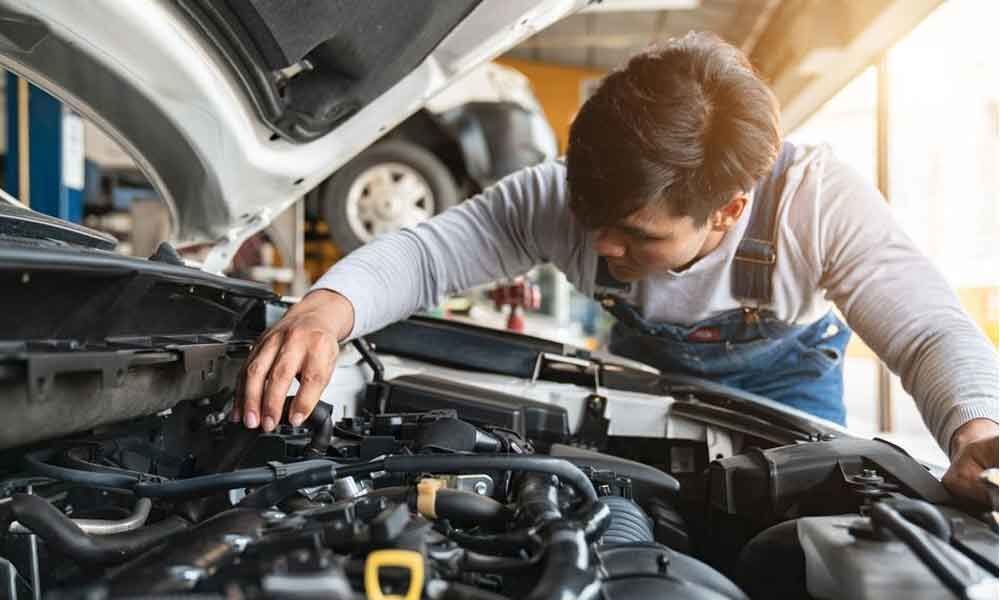
The Hidden Economics of Survival: What Your Car Repair Says About Singapore’s Working Class
When you step into any car repair workshop Singapore, you’re not just entering a place where engines are fixed and tyres are changed—you’re witnessing a microcosm of economic survival, where the difference between mobility and immobility can determine whether families eat well this month or struggle to make ends meet. These workshops, scattered across Singapore’s industrial estates and neighbourhood corners, serve as crucial nodes in a complex web of economic interdependence that keeps the city-state moving, both literally and figuratively.
The stories that unfold in these grease-stained spaces reveal profound truths about inequality, opportunity, and the hidden costs of modern life. For many Singaporeans, their relationship with their local workshop isn’t merely transactional—it’s deeply personal, built on trust forged through years of financial vulnerability and mechanical dependency.
The Invisible Labour of Urban Mobility
Behind Singapore’s reputation as a gleaming metropolis lies an intricate network of repair workshops that keep the machinery of daily life functioning. These spaces employ thousands of skilled workers whose expertise remains largely invisible to those who benefit from their labour. The mechanic who diagnoses your engine trouble at dawn so you can make it to work, the apprentice who stays late to ensure your family’s safety on weekend journeys—these individuals form the backbone of Singapore’s transportation ecosystem.
The work is physically demanding and often undervalued. Workshop employees frequently earn modest wages despite possessing highly specialised skills that require years to develop. They navigate complex relationships with customers who arrive stressed about unexpected expenses, insurance companies that dispute repair costs, and parts suppliers who control access to essential components.
Economic Vulnerability and Automotive Dependency
For many working families in Singapore, car ownership represents both opportunity and risk. Vehicles enable access to employment, healthcare, and education that might otherwise remain geographically out of reach. Yet this same dependency creates profound vulnerability when mechanical problems arise.
Consider the taxi driver whose transmission fails during peak earning hours, or the single mother whose car breaks down the day before her child’s medical appointment. These scenarios play out daily in repair workshops across Singapore, where mechanics become inadvertent witnesses to the economic fragility that exists beneath the surface of apparent prosperity.
Workshop owners often find themselves playing multiple roles:
- Financial counsellor– Helping customers prioritise repairs within tight budgets
- Technical educator– Explaining complex problems to worried vehicle owners
- Payment facilitator– Offering flexible arrangements for expensive repairs
- Community anchor– Providing stability in neighbourhoods experiencing rapid change
- Skills trainer– Teaching apprentices trades that offer pathways to economic mobility
The Geography of Trust and Reputation
Neighbourhood repair workshops operate within intricate social networks built on reputation, recommendation, and repeated interaction. These relationships often transcend simple commercial exchange, evolving into forms of mutual support that reflect deeper community bonds.
Long-term customers develop loyalty not just to particular workshops but to individual mechanics whose judgement they trust. This trust becomes especially crucial when major repairs are needed—decisions that can cost thousands of dollars and significantly impact household budgets.
As one industry observer notes: “Singapore’s car repair workshop ecosystem functions as an informal safety net. Workshop owners regularly extend credit, defer payments, and provide honest assessments that save customers money. These relationships often mean the difference between financial crisis and manageable expense.”
Skills, Immigration, and Economic Opportunity
Many of Singapore’s most skilled automotive technicians arrived as migrant workers, bringing expertise developed in their home countries whilst adapting to local conditions and regulations. Their stories illuminate the complex dynamics of skill recognition, economic opportunity, and social mobility in contemporary Singapore.
These workers often face challenges in gaining formal recognition for their abilities, despite possessing knowledge that proves essential to Singapore’s automotive infrastructure. Some eventually establish their own workshops, becoming small business owners who employ others and contribute to local economic development.
Technology, Tradition, and Changing Work
Modern vehicles increasingly resemble computers on wheels, requiring diagnostic equipment that costs tens of thousands of dollars and software knowledge that traditional mechanical training didn’t include. This technological shift creates new pressures for workshop owners who must continuously invest in equipment and training whilst managing slim profit margins.
The transition affects workers differently based on age, education, and adaptability. Experienced mechanics who understand engines intuitively may struggle with computerised diagnostic systems, whilst younger technicians comfortable with technology might lack the hard-won mechanical intuition that comes from years of hands-on experience.
The Social Function of Repair
Repair workshops serve functions that extend far beyond fixing vehicles. They provide gathering spaces where neighbours exchange information, job opportunities circulate, and community knowledge is shared. For recent immigrants, workshops often serve as informal orientation centres where practical knowledge about life in Singapore is transmitted.
These spaces also preserve and transmit skilled trades knowledge that formal education systems sometimes overlook. The apprenticeship relationships formed in workshops create pathways to economic mobility for young people who might otherwise struggle to find stable employment.
Survival and Solidarity in Urban Space
The daily operations of repair workshops reveal how ordinary people navigate economic uncertainty through networks of mutual support and practical knowledge. When customers can’t afford recommended repairs, mechanics often suggest alternatives or prioritise safety-critical work. When apprentices need time off for family emergencies, experienced workers cover their responsibilities.
These acts of solidarity, repeated countless times across countless workshops, demonstrate how economic survival depends not just on individual effort but on collective support and shared knowledge.
Understanding these dynamics matters because they illuminate how cities actually function beneath their official narratives of efficiency and prosperity. The next time you visit a car repair workshop Singapore, remember that you’re entering a space where Singapore’s working families negotiate the complex realities of economic survival, one repair at a time.
