

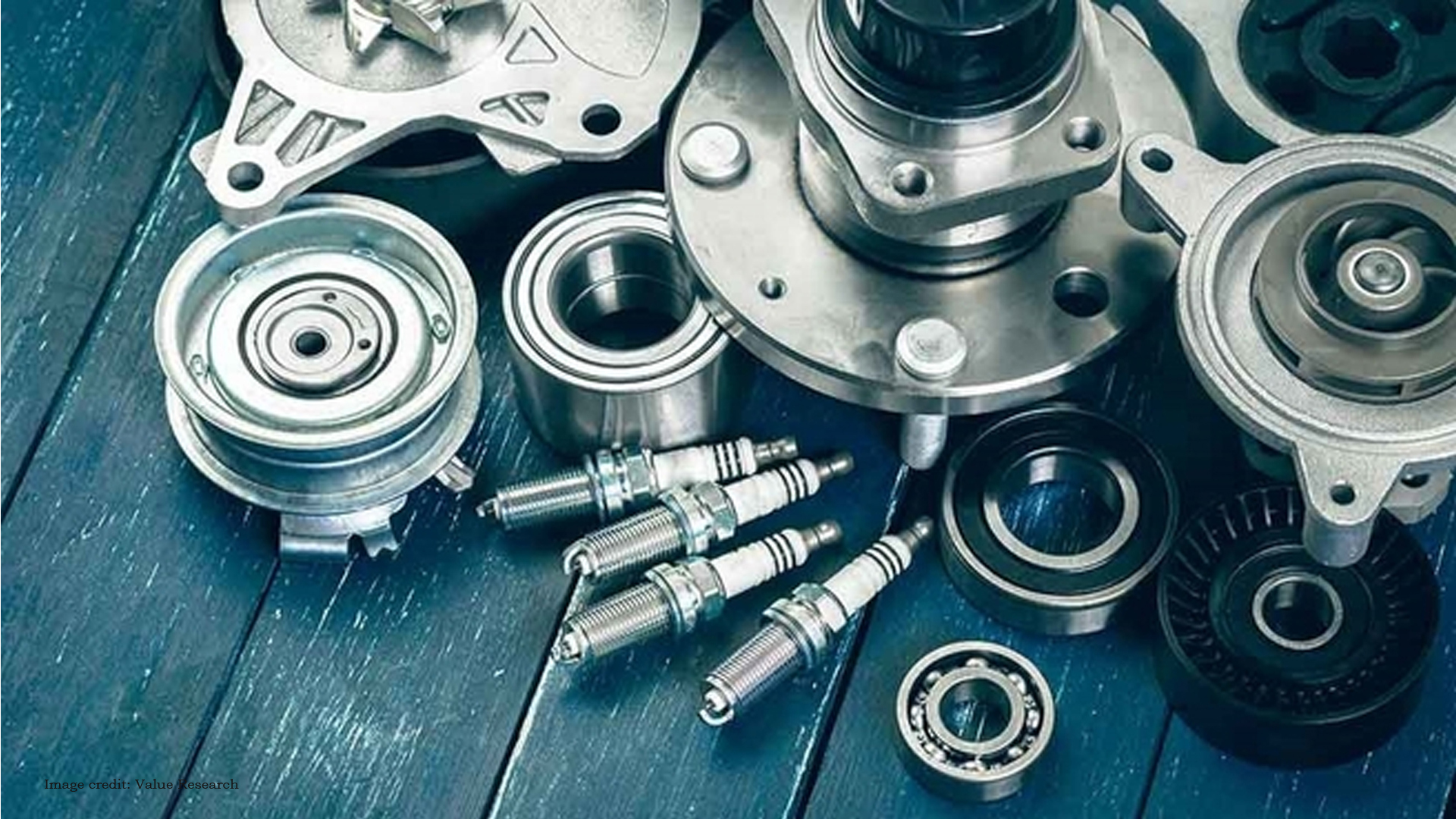
The story of auto parts in Singapore begins not with metal and mechanics, but with a profound understanding of how small components orchestrate the magnificent symphony of mobility across one of the world’s most densely populated nations. Like the cellular machinery that governs life itself, each component—from the minutest gasket to the most sophisticated electronic control unit—serves a purpose both individual and collective in the grand narrative of transportation.
Consider this: in a city-state where 5.9 million people navigate just 728 square kilometres, the reliability of every vehicle component becomes not merely a matter of convenience, but a question of systemic survival. Singapore’s automotive components market demonstrates remarkable characteristics:
-
Market Value: US$3.6 billion in 2024 with 1.49% projected CAGR
-
Essential Infrastructure: Components enable societal function beyond mere commerce
-
Density Pressure: Extreme population density demands exceptional reliability
-
Economic Integration: Automotive parts represent critical urban infrastructure
The Architecture of Automotive Biology
In my years studying cellular biology, I have come to appreciate how complex systems depend entirely upon the reliability of their smallest constituents. The auto parts in Singapore operates on remarkably similar principles, with the market comprising 941 enterprises generating US$12.3 million output per enterprise.
The Singapore car components landscape reflects several fascinating adaptations:
-
Precision Manufacturing: Components must meet exacting standards in a climate that challenges materials daily
-
Rapid Response Networks: With limited storage space, just-in-time delivery becomes survival-critical
-
Technological Integration: Advanced diagnostics and predictive maintenance systems
-
Regulatory Compliance: Adherence to stringent safety and environmental standards
-
Cross-Platform Compatibility: Supporting diverse vehicle ecosystems in a compact market
The Cellular Division of Market Segments
Much like how different organs serve distinct functions while contributing to overall health, Singapore’s automotive parts ecosystem divides into specialised segments, each responding to unique evolutionary pressures.
Original Equipment Manufacturing (OEM)
The OEM segment represents the genetic blueprint of automotive manufacturing, forming the foundational DNA of every vehicle.
Aftermarket Components
The aftermarket functions like the adaptive immune system—responding to changing needs and technological evolution. With Singapore’s automotive market growing by 18,191 units from 2023 to 2027, the aftermarket Singapore auto parts sector adapts continuously.
Performance Enhancement Parts
Performance parts serve enthusiasts seeking to enhance vehicles beyond standard specifications, reflecting Singapore’s affluence and discretionary spending capacity.
The Molecular Dance of Supply and Demand
The Singapore automotive aftermarket operates within constraints that would challenge any biological system. Recent market data reveals fascinating adaptive behaviours:
-
Electric Transition: BYD’s 99.3% growth in early 2025 signals fundamental component requirement shifts
-
Hybrid Integration: Components serving dual powertrains require sophisticated engineering
-
Digital Evolution: Modern vehicles contain more computing power than early spacecraft
-
Sustainability Mandates: Components increasingly support environmental objectives
-
Longevity Focus: Parts designed for extended lifecycles in high-cost ownership environments
-
Market Growth: 18,191 unit expansion from 2023-2027 at 6% CAGR drives demand
The labour productivity in Singapore’s automotive products market reaches US$72,100 per worker annually—a testament to the high-value, knowledge-intensive nature of modern automotive component work.
Environmental Selection Pressures
Singapore’s tropical climate presents unique challenges for car parts Singapore suppliers:
-
Environmental Stressors: High humidity, intense UV radiation, and temperature fluctuations
-
Component Selection: Only the most robust parts survive tropical conditions
-
Regulatory Pressure: Government sustainability mandates favour eco-friendly components
-
Market Evolution: Environmental requirements function like natural selection
-
Innovation Driver: Climate challenges accelerate material science advances
The Diagnostic Revolution
Modern Singapore vehicle parts increasingly incorporate diagnostic capabilities that would have seemed fantastical decades ago. Sensors monitor everything from brake pad wear to engine oil quality, creating predictive maintenance strategies.
This transformation parallels medical diagnostics, where biomarkers enable early intervention. Automotive diagnostics now identify component wear patterns before failure occurs, with aggregated data creating insights into reliability and usage patterns across Singapore’s vehicle population.
Economic Symbiosis
The relationship between Singapore’s automotive parts market and broader economic health demonstrates remarkable symbiosis:
-
Premium Market Support: High vehicle ownership costs create demand for quality components
-
Revenue Scale: Passenger car revenue projected at US$2,147 million in 2024
-
Segment Leadership: SUVs represent the largest segment at US$872.7 million
-
Manufacturing Focus: 2.8% manufacturing intensity reflects high-value production
-
Productivity Excellence: US$72,100 labour productivity demonstrates knowledge-intensive operations
Future Evolutionary Pathways
As I observe Singapore’s automotive parts ecosystem, several evolutionary trajectories become apparent. Electric vehicles will fundamentally alter component requirements, whilst autonomous vehicle technology will introduce sensors, processors, and communication systems that transform vehicles into mobile computing platforms.
The integration with smart city infrastructure represents another frontier, as components communicate with traffic management systems and energy grids during Singapore’s smart nation development.
Conclusion: The Endless Symphony
Understanding auto parts in Singapore requires appreciating the elegant complexity underlying apparent simplicity. Like the molecular machinery that enables life, each component serves multiple functions while contributing to emergent properties that transcend individual parts.
The future belongs to companies that recognise automotive components not as isolated products, but as elements in vast, interconnected systems. Success will favour those who understand that in Singapore’s unique environment, excellence in automotive components demands the same rigour, precision, and systematic thinking that characterises the best scientific research.
In this magnificent orchestration of motion and commerce, every successful business must master the fundamental truth that governs both biology and industry: sustainable success emerges from understanding the intricate relationships between individual components and the larger systems they serve. This principle will continue to guide the evolution of auto parts in Singapore for generations to come.
