

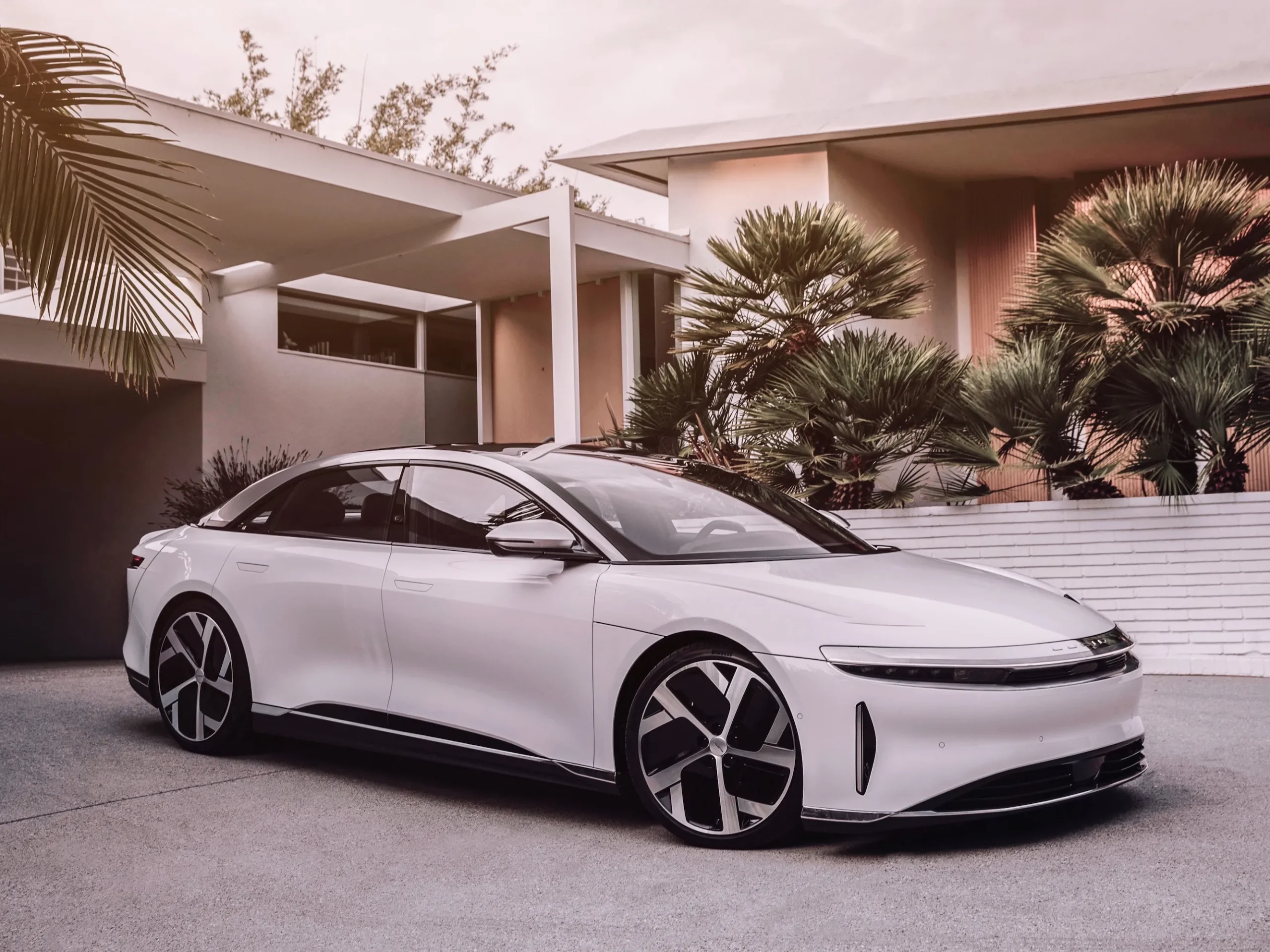
The most compelling new electric cars available in 2026 are the Chevrolet Equinox EV, Hyundai Ioniq 9, and the refreshed Tesla Model Y. The EV market has changed dramatically—range has improved and prices have dropped to the point where electric mobility is a viable reality for the average commuter, not just early adopters.
If you’ve been waiting for the right time to go electric, 2026 is genuinely one of the best years to do it. New EV prices are at historic lows relative to capability, federal tax credits of up to $7,500 are still available on qualifying vehicles, and the public charging network has grown to over 180,000 Level 2 and DC fast chargers across the US alone. The question isn’t really whether to go electric anymore – it’s which EV fits your life.
New Electric Cars at a Glance
|
EV Model |
Range |
Starting Price |
DC Fast Charge Speed |
Best For |
|---|---|---|---|---|
|
Chevrolet Equinox EV |
319 miles |
~$35,000 |
150 kW |
Best value, everyday use |
|
Tesla Model Y (refresh) |
330 miles |
~$44,990 |
250 kW (Supercharger) |
Network, tech, reliability |
|
Hyundai Ioniq 9 |
330 miles |
~$60,000 |
350 kW |
3-row families |
|
Kia EV9 |
304 miles |
~$55,000 |
350 kW |
Design + 3-row versatility |
|
Rivian R2 |
~300 miles (est.) |
~$45,000 |
220 kW |
Adventure / outdoor lifestyle |
|
Ford Mustang Mach-E (updated) |
312 miles |
~$42,000 |
150 kW |
Style + practicality |
|
Volvo EX90 |
320 miles |
~$79,000 |
250 kW |
Premium safety + luxury |
|
BMW iX xDrive50 |
324 miles |
~$88,000 |
200 kW |
Luxury performance |
Top New EVs – Quick Takes by Segment
BUDGET ($25,000-$42,000)
Chevrolet Equinox EV – The Value King
At $35,000 before incentives, the Equinox EV makes the strongest argument for EV adoption among mainstream buyers. It doesn’t just compete with other EVs – it competes with the gas-powered SUVs that occupy most American driveways. The interior is clean and modern, the range is class-leading for the price, and GM’s Ultium platform means software updates improve the car over time. After the $7,500 federal tax credit, buyers in income-eligible households are landing these under $28,000. That’s genuinely transformative for the market.
Ford Mustang Mach-E (Updated)
The Mach-E had a rough start – software problems and quality concerns plagued early models. The 2025-2026 updates address most of those issues. The available 312-mile range, the sporty character, and the Ford Blue Oval fast-charging network (access to Tesla Superchargers via adapter) make it a much more competitive option than it was two years ago.
MID-RANGE ($42,000-$65,000)
Tesla Model Y (Refreshed ‘Juniper’)
Tesla’s updated Model Y – called ‘Juniper’ internally – brings a dramatically improved interior, better rear seat comfort, ambient lighting, and a refreshed exterior. The Model Y remains the best-selling EV in the world for good reason: the Supercharger network is unmatched, over-the-air updates continuously improve the car, and resale values hold better than almost any competitor. If charging network reliability matters most to you, this is still the benchmark.
Rivian R2
The R2 is Rivian’s mass-market follow-up to the R1T and R1S. Priced from approximately $45,000, it brings Rivian’s outdoor-adventure DNA to a more accessible package. The gear tunnel, adjustable air suspension, and off-road driving modes are carried over from the larger models. For buyers who want an EV that doubles as a genuine adventure vehicle – trails, camping, towing light loads – nothing else at this price point comes close.
PREMIUM ($65,000+)
Hyundai Ioniq 9
The Ioniq 9 is a landmark vehicle for Hyundai. It’s their first three-row electric SUV, it charges faster than virtually anything else in its segment (350 kW peak), and the interior has a lounge quality that’s genuinely unlike anything in the mainstream market. The V2L (Vehicle-to-Load) feature means you can run power tools, appliances, or even charge another EV from the car’s battery – useful for camping or emergencies. At $60,000 starting, it’s positioned correctly for what it delivers.
EV Charging Infrastructure: Where Things Stand in 2026
|
Charging Level |
Speed |
Best For |
Approx. Cost |
|---|---|---|---|
|
Level 1 (120V home) |
3-5 miles/hour |
Overnight trickle top-up |
Free (your electricity) |
|
Level 2 (240V home) |
15-30 miles/hour |
Daily home charging |
$700-$1,500 installed |
|
Level 2 (public) |
15-30 miles/hour |
Workplace, shopping, errands |
$0.10-$0.30/kWh |
|
DC Fast Charge (50-150 kW) |
100-200 miles in ~30 min |
Road trips, emergency top-up |
$0.25-$0.45/kWh |
|
Ultra-Fast (250-350 kW) |
200+ miles in ~20 min |
Premium EVs, long highway trips |
$0.30-$0.50/kWh |
The honest reality: 80% of EV charging happens at home, overnight. If you have a garage or driveway, home charging solves most of your needs. Public charging is for road trips and occasional top-ups – and that experience has improved significantly as Tesla Superchargers opened to non-Tesla vehicles.
EV vs. Gas: Is 2026 the Year to Switch?
|
Factor |
EV Advantage |
Gas Still Wins When… |
|---|---|---|
|
Fuel cost |
3-4x cheaper per mile on electricity |
You have very low gas prices locally |
|
Maintenance |
No oil changes, fewer brake replacements |
You do your own mechanical work |
|
Charging speed |
Home charging beats any gas stop if you plan |
You need 500+ miles/day regularly |
|
Range |
Most EVs now 280-330 miles – covers 99% of trips |
You regularly drive 400+ miles/day |
|
Upfront cost |
Tax credits bring many EVs to parity |
You need a vehicle under $25,000 |
|
Cold weather |
Range drops 20-30% in freezing temps |
You live in extreme cold with no home charger |
Common EV Buying Mistakes to Avoid
- Overbuying range: If you drive 40 miles a day, a 200-mile EV is sufficient. You don’t need 300+ miles of range for daily use.
- Skipping home charger installation: A Level 1 outlet charges 3-5 miles/hour. Install a Level 2 charger before your car arrives.
- Ignoring tax credit eligibility: Income caps, vehicle price limits, and assembly location rules all affect credit availability. Check IRS.gov before purchasing.
- Buying the wrong charging adapter: Confirm your vehicle’s charging port (CCS, NACS, CHAdeMO) before planning your road trip charging strategy.
Best New EV by Use Case
|
Your Situation |
Best EV Pick |
|---|---|
|
Daily commuter, budget-conscious |
Chevrolet Equinox EV |
|
Family needing 3 rows |
Hyundai Ioniq 9 or Kia EV9 |
|
Best charging network priority |
Tesla Model Y (Supercharger access) |
|
Outdoor / adventure lifestyle |
Rivian R2 |
|
Premium luxury buyer |
Volvo EX90 or BMW iX |
|
Performance focused |
Tesla Model 3 Performance or Polestar 3 |
