

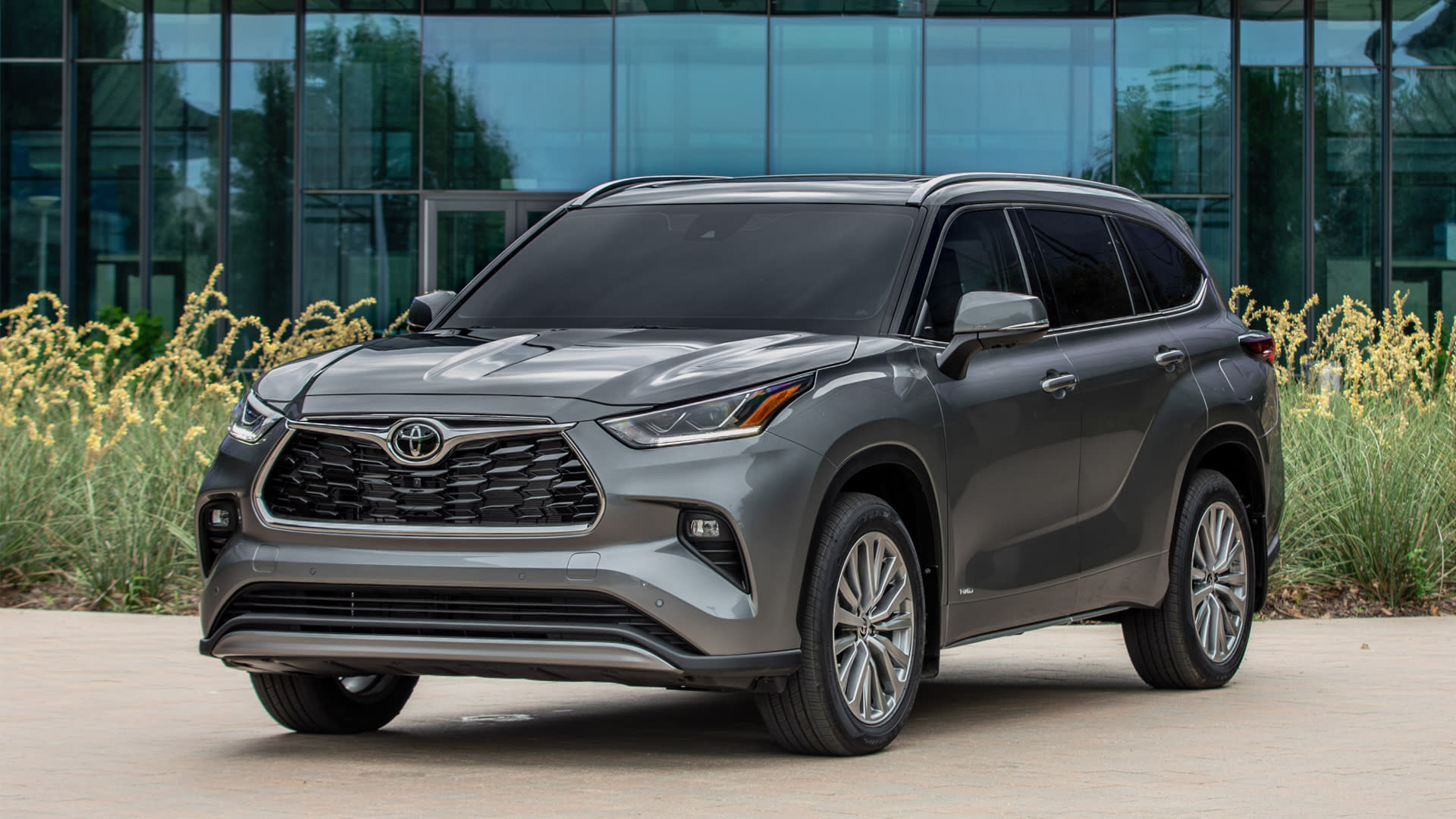
The longest lasting suv models on the road today are the Toyota Land Cruiser, Toyota 4Runner, Lexus GX, Honda CR-V, and Subaru Outback—in that order. Data from iSeeCars, Consumer Reports, and J.D. Power consistently place these models at the top of longevity rankings. Among owners who drive past 200,000 miles, Toyotas appear more than any other brand, and the Land Cruiser has the highest percentage of any vehicle still on the road past 300,000 miles.
Longevity isn’t just about the badge, though. It’s about engineering philosophy, parts availability, owner community support, and – more than anything – maintenance habits. A well-maintained Honda CR-V will outlast a neglected Toyota 4Runner every time. What these top models share is a reputation for forgiving owners who aren’t perfect with maintenance schedules, plus mechanical simplicity that makes repairs accessible and affordable for decades.
Top Longest Lasting SUVs – The Data
|
SUV |
Typical Lifespan |
% Reaching 200K+ mi |
iSeeCars Longevity Rank |
Owner Satisfaction |
|---|---|---|---|---|
|
Toyota Land Cruiser |
250,000-300,000+ mi |
18.2% |
#1 overall |
Excellent |
|
Toyota 4Runner |
200,000-250,000 mi |
13.4% |
#2 SUV |
Excellent |
|
Lexus GX |
200,000-230,000 mi |
11.6% |
#3 SUV |
Excellent |
|
Honda CR-V |
200,000-220,000 mi |
9.8% |
Top 10 |
Very Good |
|
Subaru Outback |
190,000-220,000 mi |
8.7% |
Top 10 |
Very Good |
|
Ford Expedition |
180,000-220,000 mi |
7.9% |
Top 15 |
Good |
|
Chevrolet Tahoe |
180,000-210,000 mi |
7.4% |
Top 15 |
Good |
What ‘Longest Lasting’ Actually Means
There’s an important distinction between three things people often conflate:
|
Term |
What It Means |
Example |
|---|---|---|
|
Reliability |
Fewer breakdowns and unscheduled repairs |
Honda CR-V rarely needs surprise repairs |
|
Durability |
Mechanical components withstand heavy use |
4Runner frame holds up to decades of off-roading |
|
Repairability |
Parts available, affordable, and fixable locally |
Land Cruiser parts available globally for 30+ years |
The best long-lasting SUVs score well on all three. The Land Cruiser, for instance, is repairable in rural Africa as easily as suburban New Jersey – which is why it’s the preferred vehicle of aid organizations, militaries, and overlanders worldwide.
Why These SUVs Last Longer Than the Rest
Toyota’s Approach
Toyota designs to a philosophy sometimes called ‘customer first’ engineering – which in practice means fewer complex systems that can fail, longer service intervals before things need replacing, and over-engineering key components beyond spec. The Land Cruiser’s engine is built to tolerances tighter than its power output would require, which is why so many reach 400,000 miles without internal engine work.
Honda’s CR-V Secret
The CR-V’s longevity comes from a different place: mechanical simplicity and a proven drivetrain that Honda has been refining for 25+ years. The CR-V doesn’t have the most powerful engine or the flashiest features – but it has one of the lowest rates of major repair claims in its class, consistently, across multiple generations.
Subaru’s AWD Advantage
Subaru’s boxer engine and symmetrical AWD are polarizing among mechanics – some love them, some don’t. But owners who maintain their Subarus properly find the drivetrain holds up remarkably well in all conditions. The Outback especially benefits from Subaru’s cult-like owner community, where maintenance knowledge is freely shared and aftermarket support is strong.
The Maintenance Factor: What Separates 200K from 100K
No vehicle lasts 200,000 miles without deliberate care. Here’s what separates owners who make it to high mileage from those who don’t:
- Oil changes on schedule – or earlier. Every 5,000-7,500 miles is good. Skipping even a few creates long-term damage.
- Transmission fluid at 60K-90K miles. Most manufacturer schedules say ‘lifetime fluid.’ Ignore this – change it.
- Coolant flush every 5 years. Old coolant corrodes from the inside and causes expensive failures.
- Timing belt (not chain) replacement on schedule – typically 90K-105K miles. Missing this kills engines.
- Rust prevention in winter climates. Undercoating and regular washing save frames and wheel wells.
10-Year Cost of Ownership Comparison
|
SUV |
10-Yr Maintenance |
10-Yr Repair Cost |
Depreciation (10 yr) |
Total Est. Cost |
|---|---|---|---|---|
|
Toyota Land Cruiser |
$8,200 |
$4,800 |
$35,000 |
$48,000 |
|
Toyota 4Runner |
$7,600 |
$4,200 |
$18,000 |
$29,800 |
|
Lexus GX |
$8,900 |
$5,100 |
$22,000 |
$36,000 |
|
Honda CR-V |
$6,800 |
$4,100 |
$14,000 |
$24,900 |
|
Ford Expedition |
$9,200 |
$7,400 |
$25,000 |
$41,600 |
|
BMW X5 |
$12,400 |
$11,800 |
$30,000 |
Note: Toyota and Honda SUVs hold value significantly better than European counterparts, making their long-term cost of ownership substantially lower despite similar or higher purchase prices.
SUVs to Avoid for Long-Term Ownership
Not every SUV ages gracefully. A few models have consistent records of expensive failures after the warranty period:
- BMW X5 / X7 – Exceptional to drive, expensive to own past 100K. Complex systems, costly parts, frequent module failures.
- Land Rover Range Rover / Defender – Notorious reliability issues despite premium pricing. Strong community but high ongoing repair costs.
- Volkswagen Touareg – Capable and comfortable, but electronics and air suspension problems compound over time.
- Jeep Wrangler (some years) – The 3.6L Pentastar has known head and TIPM issues in certain years. Research specific model years carefully.
The Bottom Line
If longevity is your primary purchase criterion, the decision is not complicated: buy a Toyota or Lexus if budget allows, a Honda CR-V if you want value-plus-reliability, and a Subaru Outback if AWD matters and you’re willing to stay on top of maintenance. The highest-mileage SUV in the world is probably a Land Cruiser sitting in a remote region somewhere, still running on its original engine with nothing but regular oil changes. That’s not an accident – it’s the result of deliberate engineering choices made decades ago.
