

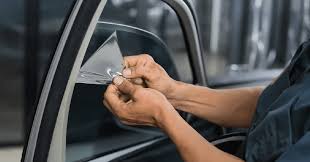
Car window tinting blocks solar heat and UV rays while adding privacy and a cleaner look to your vehicle. The right tint depends on your state’s legal limits, your budget, and what you actually want from it—whether that’s maximum heat rejection through ceramic films or simple aesthetic privacy. High-quality ceramic options can block up to 99% of harmful UV rays, protecting both your skin and your car’s interior.
Here’s a straightforward breakdown of everything from tint types to legal VLT percentages, so you can make an informed choice before heading to a shop.
What Is VLT and Why Does It Matter?
VLT stands for Visible Light Transmission – the percentage of light allowed through the film. Lower percentage = darker tint. This number is at the center of every tinting decision because it determines legality.
For example, a 5% tint (called “limo tint”) blocks 95% of light. Most states won’t allow that on front side windows, but may permit it on rear windows.
Types of Window Tint Film
|
Tint Type |
Heat Rejection |
UV Blocking |
Durability |
Avg Cost (Full Car) |
|
Dyed Film |
Low |
Moderate (up to 99%) |
3-5 years |
$50-$150 |
|
Carbon Film |
Good |
Up to 99% |
5-10 years |
$150-$300 |
|
Ceramic Film |
Excellent |
Up to 99.9% |
Lifetime |
$300-$800 |
|
Crystalline (3M) |
Excellent |
Up to 99.9% |
Lifetime |
$400-$900 |
|
Metalized Film |
Very Good |
Up to 99% |
5-10 years |
$100-$250 |
Ceramic tint is widely considered the best option in 2025 – it doesn’t interfere with GPS, radio signals, or TPMS sensors, unlike metalized film. The upfront cost is higher, but it rarely needs replacement.
Legal Tint Limits by Window (US Overview)
Laws vary by state. Always check local regulations before tinting. Here’s a general overview of common rules:
|
Window Position |
Common Legal Limit |
Notes |
|
Windshield |
Non-reflective tint on top 4-6 inches only |
Most states restrict any tint on windshield |
|
Front Side Windows |
35-70% VLT (varies by state) |
Most restrictive area – police visibility concern |
|
Rear Side Windows |
20-35% VLT |
More lenient in most states |
|
Rear Window |
20-35% VLT |
May allow any darkness if dual side mirrors present |
States like California allow 70% VLT on front windows, while Texas allows 25%. Florida allows 28% on front side windows. Always verify the current law in your state – violations can result in fix-it tickets or fines.
Benefits of Window Tinting
- Heat rejection: Ceramic tints can block up to 80% of solar heat – a huge deal in summer
- UV protection: Protects skin from UV-A and UV-B rays during daily driving
- Glare reduction: Makes driving in direct sunlight significantly safer
- Privacy: Makes it harder for outsiders to see inside the vehicle
- Interior protection: Prevents dashboard cracking and upholstery fading
- Shatter resistance: Quality film holds broken glass together during impact
Things to Know Before Tinting
A few practical points that often catch first-timers off guard:
- Curing time: Freshly applied tint takes 3-7 days to fully cure. Don’t roll down windows during this period
- Bubbling is temporary: Small bubbles after installation usually disappear as the film cures – don’t panic
- Defroster lines: Good installers apply tint without cutting through defroster lines. Ask about this specifically
- Film lifespan: Cheap dyed film turns purple and bubbles after a few years. Spend a bit more on quality
- DIY vs professional: DIY kits exist but professional installation is almost always cleaner and warrantied
DIY vs Professional Installation
|
Factor |
DIY |
Professional |
|
Cost |
$20-$80 for materials |
$150-$800 depending on film |
|
Quality |
Variable, prone to bubbles |
Precise, clean edges |
|
Time |
4-8 hours for a novice |
2-4 hours |
|
Warranty |
None |
Most shops offer lifetime warranty |
|
Risk |
Mistakes mean redo or pay pro anyway |
Low risk |
Unless you’ve tinted cars before, professional installation is almost always the better value. One botched DIY attempt often costs more to fix than just going professional from the start.
How to Choose the Right Tint for You
Ask yourself three questions before booking an appointment:
- What’s the primary goal? Heat rejection = ceramic. Pure aesthetics = carbon or dyed. Budget = dyed film
- What are your local laws? Check your state’s VLT limits, especially for front windows
- How long do you plan to keep the car? Ceramic makes more sense long-term. For a car you’re selling soon, a cheaper film may be fine
Bottom Line
Car window tinting is one of the best-value modifications you can do – it improves comfort, protects your interior, reduces glare, and genuinely enhances how the car looks. For most people, 35% carbon or ceramic tint on rear windows and legal-limit film on fronts is the sweet spot.
Don’t cheap out on the film type, and always use an installer who knows your state’s regulations. A $200 job done right beats a $400 job that gets you a ticket.
